Not my catchiest title of all time, but you’ll get what it says on the tin. Unlike some foods, now.
Friendly tech and bird nerd, highly caffeinated.
Not my catchiest title of all time, but you’ll get what it says on the tin. Unlike some foods, now.
Preface Before we start, I should point out: I am not a doctor. I have no medical training. I only have a couple years’ worth of herbal studies, so I consider myself a student of herbalism more than a practitioner. Nothing in this post should be read as medical advice…
How I, an immunocompromised person, am navigating life right now. With some frustrated opinions thrown in.
I started a new job last week. I’m excited about it! I also want to issue this reminder: as has always been the case, my posts here represent my own feelings and opinions and not those of any employer, past, present, or future.
This is only interesting in an historical sense; we’ve learned a lot since I wrote it.
Over the past few years, I’ve come to dread the “what do you do?†question, because what people generally mean is “where do you work?†And it’s awkward when you can’t have that conversation the way they expect.
I lived in Anchorage, Alaska, for five years, which taught me some things about winter. I don’t claim to be an expert or the most awesome at winter—I mean, I did leave, right?—but I listened when long-time Alaskans talked, and I observed which advice helped the most. For your use and mine, here is the advice I’ve gathered from friends, coworkers, strangers, and the internet, about how to thrive when the days are short and cold.
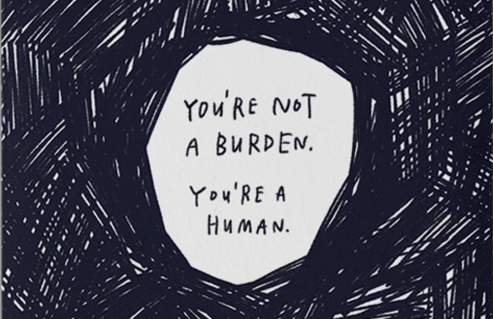
We have this ideal, in American society, of a “low maintenance†person, and I get the sense that the ideal is especially important for women to meet. We should be easygoing. We should not complain, and whatever is offered to us should be enough, should be accepted with gratitude. We must never impose on others. Taken to its logical conclusion, it also means suffering should be done in silence.
I’m a good project planner, great with logistics. I had backup plans for my backup plans. But I also had a chronic illness to contend with, and the one place where I should have known to build in extra leeway—the parts involving physical labor and the ability to sleep soundly in adverse conditions—were the parts where everything went sideways. And, oddly, they were the parts for which I’d done the least contingency planning.
I wrote last year about the physical side of my particular chronic illness, psoriatic arthritis. Most of what I said in that post is still true: I’m still on methotrexate, still not pain-free, still not doing everything I should to take care of myself. There have been some promising steps…